
July brings much more than hot temperatures and lazy summer days. Residents can expect busy weekends, packed schedules, and plenty of time spent on the go with various activities throughout North Texas.
From attending events and shopping at crowded retail centers to working outside in the yard, summer activities are in full swing. With people traveling, working, and spending time outdoors this summer, everyday choices can have a big impact on our air quality and environment.
The good news is that making healthier, cleaner choices does not mean giving up your summer plans. Small actions can easily fit into the way you already travel, work, and spend time with family and friends throughout the region.
When the Heat Takes Over
July heat can make everyday activities feel more challenging. Roads become busier, parking lots fill up quicker, and people try to complete tasks before the hottest part of the day. At the same time, delivery drivers, construction crews, and other outdoor workers continue working despite rising temperatures.
This increase in activity matters because summer heat can contribute to ground-level ozone production. Ozone is formed when contaminants react in sunlight, therefore hot, sunny days have a greater impact on air quality. Knowing when conditions may be more harmful allows residents to make changes that can make a difference.
Air North Texas provides updates on air quality alerts and clean air initiatives throughout the region. When ozone levels are projected to be high, checking the forecast before heading out can help with planning errands, adjusting outdoor activities, or reducing unnecessary trips.
Beat the Midday Rush Before It Beats You
By lunchtime, roadways and parking lots become crowded as residents head out for appointments, deliveries, and errands. This results in increased congestion, longer wait times, and more emissions from slow-moving or stationary cars. A little planning can go a long way. Combining errands into one trip, choosing nearby destinations, or postponing unnecessary travel until later in the day can all help.
Try Parking It helps track and promote alternative commuting options such as carpooling, vanpooling, public transit, biking, walking, and telecommuting. Small changes can add up over time, benefiting both travelers and the environment.
Residents can also help improve transportation throughout the region by sharing their experiences. Map Your Experience allows the public to report transportation issues such as traffic congestion, safety concerns, pedestrian conditions, bike access, and roadway maintenance needs. This feedback helps identify areas for improvement and better understand community needs.
Don’t Let Small Problems Become Bigger Ones
Hot temperatures can put extra stress on vehicles. Low tire pressure, worn parts, unclean filters, and ignored warning lights can all cause a vehicle to work harder than necessary. When that happens, fuel efficiency can decrease and emissions can increase. Car Care Awareness encourages drivers to stay on top of routine vehicle maintenance. Something as easy as monitoring tire pressure or changing air filters can help a vehicle run more efficiently throughout the hotter months of the year.
A driver does not have to be a mechanic to keep a vehicle in good shape. It just involves paying attention. Paying attention to warning signs can help identify problems before they become costly repairs. A well-maintained car is safer, more reliable, and can help contribute to cleaner air.
If You See Smoke, Take Action
Some air quality issues are easy to identify. A smoking car can emit pollutants that impact drivers, pedestrians, and nearby communities. In many cases, vehicle owners may not realize their vehicle is producing smoke.
The Regional Smoking Vehicle Program allows North Texans to anonymously report automobiles that emit visible smoke. The program uses this information to notify vehicle owners and provide resources about possible causes and solutions. It only takes a moment to submit a report, but it can make a difference. Improving air quality is not just about changing our own habits, but it is about taking action when we see a problem.
Crowded Streets Need Focused Drivers
July brings more people to sidewalks and roadways. Families are running errands, workers are traveling between job sites, cyclists and pedestrians share the street, and delivery trucks are making regular stops. With so much activity, paying attention is more important than ever. Drive Aware North Texas encourages drivers to stay focused, avoid distractions, and pay attention to the road. This includes putting away phones, watching for people walking or bicycling, and slowing down in high-traffic areas.
Focused driving not only keeps people safe, but it also improves traffic flow. Sudden braking, missed traffic signals, and distracted driving can all contribute to congestion and unnecessary delays. Staying alert is one of the simplest ways to make summer travel safer and more efficient.
Make the Hottest Month Matter
July can be a busy month, but it offers opportunities to make choices that benefit both the community and the environment. Planning trips efficiently, monitoring air quality alerts, maintaining vehicles, reporting smoking vehicles, and staying focused behind the wheel all support cleaner air in North Texas.
Every action, no matter how small, matters. Whether it is combining errands, performing a quick vehicle maintenance check, reporting a smoking vehicle, or choosing to drive distraction-free, small steps can add up to a meaningful impact.
This summer, make every trip count and help keep North Texas moving toward a cleaner, safer future.
Funding Opportunities For Cleaner Air
Upcoming Rebate Programs Will Provide Funding for Energy Improvements
Texas has ~$690 million for Texans to make energy efficiency improvements at their residence, including weatherization, appliance upgrades, and more! These improvements improve air quality by reducing emissions associated with electricity generation, while also making your home more comfortable and saving money.
This funding will be available from the State Energy Conservation Office (SECO) through the Home Efficiency Rebate (HOMES) and Home Electrification and Appliance Rebate (HEAR) Programs. SECO is asking for input this summer on how to best implement these programs. See below for event details and go to https://comptroller.texas.gov/programs/seco/funding/ira/feedback.php to register and learn more about engagement opportunities!
- July 6, 2026, at 12:00 p.m. (Virtual): Household Engagement
- July 7, 2026, at 12:00 p.m. (Virtual): Multifamily Engagement
- July 8, 2026, at 12:00 p.m. (Virtual): Contractor and Workforce Development
- July 9, 2026, at 12:00 p.m. (Virtual): Technologies and Market Transformation
- July 16, 2026, at 5:00 p.m. (In-Person at J. Erik Jonsson Library in Dallas): General program information
Approximately $55 Million Available to Help Fleets Go Zero-Emission
North Texas fleets still have an opportunity to secure funding to modernize their fleets by purchasing new zero-emissions vehicles. The North Central Texas Council of Governments (NCTCOG) is offering up to $55.4 million in rebates to public and private organizations through the North Texas Zero Emissions Vehicles Call for Projects.
The program supports a wide range of vocational vehicles, such as transit buses, refuse haulers, utility trucks, dump trucks, box trucks, and street sweepers. To be eligible for funding, a fleet must remove from their fleet vocational vehicles powered by internal combustion engines. The new zero-emissions vehicle must be battery-electric or hydrogen fuel cell electric.
NCTCOG provides resources to help applicants through the process, including weekly virtual office hours, project and application development assistance, and information on zero-emission vehicle manufacturers and vendors. Applications are accepted on a rolling basis and reviewed monthly until funding is exhausted. The next application deadline is July 17, 2026, at 5:00 p.m. CT. Learn more and access application materials at www.nctcog.org/NTxZEV.
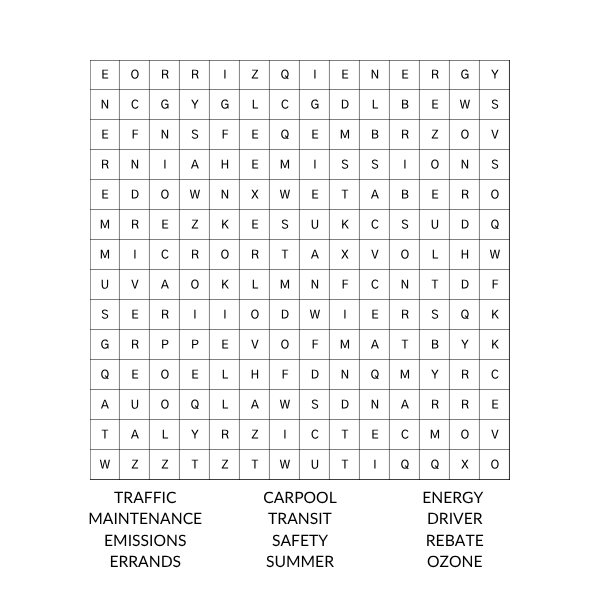
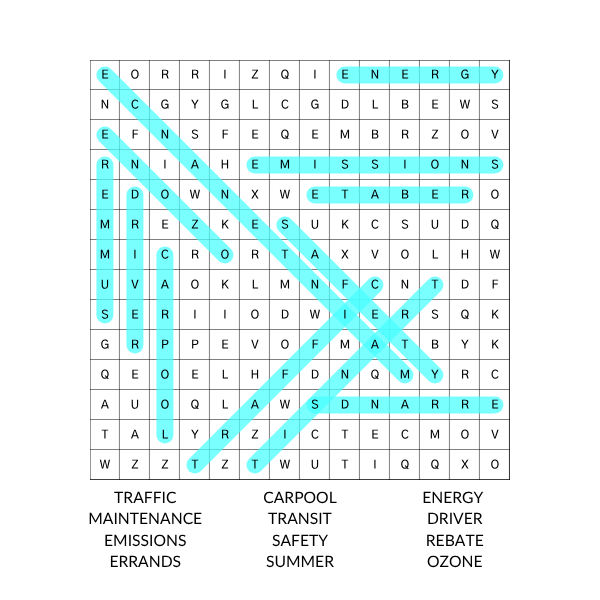
July Word Scramble + Answer Sheet